The local pub pokies have always had a certain charm, all clinking coins and the low hum of a Friday night crowd, but there’s a quiet shift happening in how Australians chase a bit of fun with their spare cash. More punters are swapping the smoke-filled corner of the RSL for a phone in one hand and a cold one in the other, spinning up a line while the footy plays out on the telly. It’s not about chasing a miracle payout every session, just a bit of casual entertainment that fits around work, the kids, and the weekend round of golf or netball.
That migration online has been years in the making, driven by better mobile data, faster payouts, and a generation that’s comfortable managing everything from bills to bets through a screen. The old-school approach still has its place, sure, but the convenience of logging in from the train home or during a rain delay at the cricket has changed the rhythm of how people play. You don’t need to drive across town, find parking, and wait for a machine that isn’t already claimed by someone nursing a long session.
For those keen to try online pokies for aussies, the trick is knowing what separates a decent session from a waste of time and where the local safeguards actually matter. The market has matured quickly, with operators jostling to offer better game libraries, clearer terms, and proper support that doesn’t leave you staring at a chatbot for ten minutes. It’s less about flashy bonuses and more about whether the whole setup feels built for the way Australians actually play.
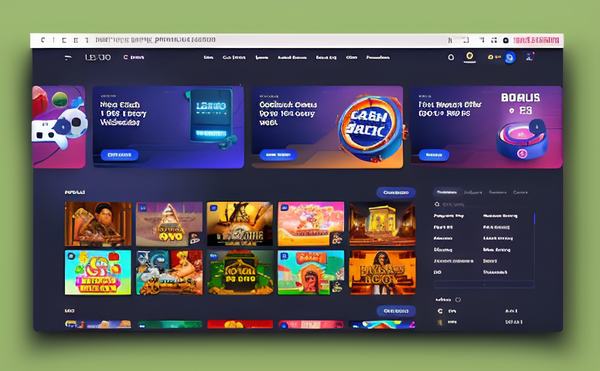
A good look around the right platforms shows how the scene has settled into something more sensible, with licensed operators, local payment habits, and games tuned to the way punters like to spin. You can play in needforspin and see how a modern Australian-facing site lines up when it comes to game variety, local payment options, and the kind of session flow that suits a casual night in.
What makes a pokies session worth your time
A solid online pokies session starts with the basics, and that means a game library that doesn’t feel like it was copied from a generic template and pasted onto a site with a different accent. Australian punters tend to lean toward titles with familiar themes, straightforward paylines, and bonus rounds that actually show up without needing a maths degree to trigger. The best platforms keep the catalogue tight enough to browse without scrolling forever, while still offering enough variety for people who like to jump between classic fruit-style reels and newer video-style games with cascading symbols and free-spin features.
Game quality matters because the difference between a clunky interface and a smooth one shows up the moment you’re trying to adjust your stake mid-session. A well-built pokie keeps the controls obvious, the spin button responsive, and the paytable easy to find without digging through three layers of menus. That sounds basic, but it’s the kind of detail that separates a rushed job from a platform that actually understands how people play when they’re relaxing after work.
Themes are another piece of the puzzle, and the local appetite leans toward a mix of old-school nostalgia and modern polish. You’ll see plenty of games borrowing from Australian life, from coastal imagery to outback colours, but the ones that stick tend to be the ones where the theme supports the gameplay rather than just plastering a picture over a standard reel set. A decent bonus round should feel like part of the game, not a separate mini-app that interrupts the flow.
Pacing is worth keeping an eye on too, because a session that drags on without much visual feedback or sound design tends to wear thin fast. The better titles keep the rhythm engaging without going overboard, and that balance matters when you’re playing for fun rather than trying to turn a quick visit into a long night. A good session should feel like you’ve spent a reasonable chunk of time on something enjoyable, not like you’ve lost track of the clock while staring at the same screen.
Mobile play and the local betting habit
Mobile play has become the default for a lot of Australians, and that’s not just because everyone has a smartphone glued to their hand. It’s because the rhythm of local life fits it, whether you’re waiting for a bus in Brisbane, sitting through a rain delay at the Gabba, or winding down after a weekend of family commitments. The best mobile pokies setups keep the layout clean, the buttons sized for thumbs, and the loading times short enough that you’re not staring at a spinning wheel while the data connection decides to take a break.
Data usage matters more than people admit, especially when you’re moving between home Wi-Fi and mobile networks during the week. A site that loads heavy graphics without optimisation can turn a quick session into a laggy mess, and that’s the kind of thing that ruins the experience before you’ve even lined up your first spin. Good platforms keep the visuals sharp without making the whole thing feel like it’s chewing through your plan halfway through the evening.
Touch controls need to be obvious too, because there’s nothing more frustrating than trying to adjust a bet while the interface feels like it was designed for a mouse and keyboard. The better mobile versions keep the stake changer, paytable, and spin controls within easy reach, so you’re not constantly shifting the phone around or squinting at tiny text. That sounds like a small detail, but it’s the difference between a session that flows and one that feels like work.
Local betting habits also shape how people use these platforms, with plenty of punters treating pokies as a casual side activity rather than the main event. You might spin a few lines while the footy highlights roll through, or dip in during a quiet stretch after dinner, and the platform needs to respect that kind of use without pushing you into a high-intensity loop. A sensible mobile setup fits into the gaps of the day rather than demanding you clear the schedule for it.
How the local market stacks up
The Australian market has its own shape, with state-level differences that show up in everything from licensing expectations to the way promotions are presented. What works in one jurisdiction can feel slightly off in another, and that’s why the better operators pay attention to local nuance instead of running a one-size-fits-all setup. You see it in the way payment options are arranged, the way support hours line up with local time zones, and the way game libraries are tuned to what people actually recognise.
Payment habits are a big part of that, because Australians tend to like options that feel familiar and straightforward. That might mean local-friendly deposit methods, quick withdrawal paths, and clear timing on when funds land back in your account. A platform that makes you jump through hoops for a routine payout is a platform that’s going to wear thin, especially when you’re only looking for a casual session rather than a full-time habit.
Promotions are another area where the local market has learned to be picky, because bonus terms that sound generous on the surface can turn into a maze once you start reading the fine print. The better offers are the ones that are easy to understand, with reasonable playthrough expectations and clear rules on what games count. That doesn’t mean every bonus is worth chasing, but it does mean there’s a difference between a thoughtful offer and one that feels designed to confuse.
Competition has also pushed the market toward better standards overall, with more operators aware that Australians compare sites quickly and move on if the experience feels sloppy. That’s a good thing for anyone looking to try online pokies for aussies, because it means the baseline has lifted and the weaker offerings stand out more clearly. You don’t need to settle for a clunky layout or a vague support setup when there are platforms doing the basics properly.
Safety, limits, and looking after yourself
Responsible gambling safeguards are the part of the conversation that doesn’t get enough colour, but it’s the piece that matters most when you’re playing for fun over the long run. A decent platform gives you tools that actually work, like deposit limits, session reminders, and clear access to support without making you feel like you’re being flagged for asking a basic question. Those features should be easy to find, easy to use, and presented in a way that feels normal rather than heavy-handed.
Setting limits before you start is the kind of habit that separates a relaxed session from one that gets away from you, and it’s especially relevant when you’re playing from home where the distractions are different from a pub or club. A limit isn’t there to kill the fun, just to keep the evening from turning into a marathon you didn’t plan on. The best setups make that process straightforward, so you can lock in a boundary and get back to the game without fuss.
Knowing when to step away matters too, and that’s where a bit of self-awareness goes further than any flashy feature. If the session has stopped feeling like entertainment and started feeling like you’re pushing for a result that isn’t coming, that’s the moment to close the tab and do something else. A good platform won’t try to talk you out of that choice, because the whole point is that the game stays a game.
Support channels should be there when you need them, whether you’re asking about a withdrawal, checking a bonus term, or just wanting a straight answer about how a feature works. The better sites keep that help accessible and human enough to feel useful, rather than burying you in automated replies that go nowhere. That kind of setup makes a difference when you’re playing casually and just want the experience to stay smooth.
Reading the fine print without losing the plot
Bonus terms are where a lot of players get caught out, not because they’re trying to trick anyone, but because the wording can be dense enough to make your eyes glaze over. A fair offer should be easy to parse, with clear rules on how the bonus works, what counts toward playthrough, and whether certain games are excluded. If you can’t tell what you’re actually getting without reading the same line three times, that’s a sign to slow down and look elsewhere.
wagering requirements are the big one, because a bonus that sounds generous can turn into a slog if the playthrough is stacked too high. A reasonable setup lets you enjoy the extra value without turning the session into a grinding exercise, and that balance is what separates a thoughtful promotion from one that feels like a trap. The point is to add a bit of extra play, not to lock you into a maze of conditions.
Game contributions are another detail worth checking, because not every pokie counts the same way toward a bonus requirement. Some titles contribute fully, while others count for less, and that can change how quickly a bonus moves along. If you’re picking games based on theme alone without checking how they behave under the terms, you might find the session dragging in ways you didn’t expect.
Expiry windows matter too, because a bonus that sits there for a week is a very different thing from one that vanishes in a couple of days. The better offers give you enough time to use them properly, while the tighter ones can feel rushed if you’re only playing casually. Reading that part before you claim anything saves the annoyance of watching value disappear because the clock moved faster than you did.
Comparing the operators worth a look
When you line up the operators that have made a name in the Australian space, the differences show up in the details rather than the headlines. Some platforms lean hard into a huge game count, while others focus on a tighter, better-polished selection and a smoother overall experience. The right choice depends on what you want from a session, but the stronger operators tend to be the ones that get the basics right across the board.
Joe Fortune stands out as one of the leaders of the Australian market in the comparison table, and that’s not just because of the name recognition. It’s because the platform has built a reputation around a game library that suits local tastes, a layout that doesn’t feel overcomplicated, and a setup that fits the way many Australians like to play without turning the whole thing into a chore. That kind of positioning matters when you’re comparing options and trying to find a site that feels built for real use rather than a glossy brochure.
Other operators bring their own strengths, whether that’s a bigger promotional calendar, a different payment mix, or a more extensive range of newer titles. The trick is to weigh those differences against what you actually care about, because a site that looks impressive on paper can still feel awkward in practice if the controls are clunky or the support is slow. A comparison is only useful when it helps you spot the experience you’re likely to have after the first five minutes.
A sensible comparison also keeps the focus on fit rather than hype, because the best platform for a casual session isn’t necessarily the one with the loudest marketing. It’s the one that feels comfortable, runs smoothly, and gives you enough control to keep things enjoyable. When you’re weighing up options, that practical angle usually tells you more than a long list of promises.
Picking a site that fits your style
Finding a site that suits your style starts with being honest about how you actually play, because a platform built for high-intensity sessions can feel wrong if you’re only looking for a relaxed spin now and then. If you prefer a simple layout, a manageable game count, and quick access to the basics, then a fancier setup with endless menus might just get in the way. The right match is the one that feels natural from the first login, not the one that tries to impress you with a pile of features you’ll never use.
Payment fit matters here too, because a site that aligns with the way you already handle money online is easier to use without thinking about it too much. That might mean familiar deposit options, clear withdrawal timing, and a checkout flow that doesn’t feel like it was designed for a different country. When the payment side is smooth, the rest of the session tends to feel less fiddly, and that’s a win for anyone playing casually.
Support style is another thing to weigh, because some platforms are better at giving straight answers quickly, while others lean on slower processes that can test your patience. If you value a site where you can get a human-style response without jumping through hoops, that’s worth checking before you commit any time to it. A good support setup is the kind of thing you only notice properly when something needs sorting, and by then you want it to be easy.
Local context helps narrow things down as well, because a platform that understands Australian habits tends to feel more comfortable than one that seems transplanted from somewhere else. That can show up in the way the site is structured, the way games are presented, and the way promotions are explained. If you’re looking to try online pokies for aussies, that local feel is often the difference between a site that works with your routine and one that feels like you’re adapting to it.
For anyone who wants a quick sense of how a modern Australian-facing setup looks in practice, it’s worth checking a site like play in needforspin and seeing whether the layout, game mix, and payment flow match the way you like to play. The right platform should feel easy to settle into, whether you’re spinning a few lines during a break or settling in for a longer casual session at home.
If you’re the sort who likes to compare notes with other punters before settling on a site, forums and community threads can be a useful sanity check, especially when people talk plainly about what worked and what didn’t. A thread over on local property and money chat might not sound like the obvious place for pokies talk, but the same habit of comparing value, timing, and practical details carries over nicely when you’re weighing up where to play.
And if you want a reminder that good writing and clear reporting still matter in a crowded online space, it’s worth keeping an eye on how serious outlets handle their craft, because a well-run site tends to show the same kind of care in its presentation and user experience. That kind of standard is what separates a platform that feels thoughtless from one that respects the person using it, and it’s a useful benchmark when you’re choosing where to spend your time. Walkley